
 English
 Views: 0 Author: Site Editor Publish Time: 2026-04-24 Origin: Site
In the realm of whitening, ingredients sucas Vitamin C, Niacinamide, and Lycopene have long been deeply ingrained in the public consciousness. However, the rise of Astaxanthin, driven by its uniqu advantages, has established it as a new benchmark for internal whitening recognized by consumers. Compared to other whitening ingredients, Astaxanthin's advantages primarily lie in four areas: antioxidnt capacity, penetration and absorption, comprehensive efficacy, and safety. It not only addresses the pain points of traditional whitening ingredients but also achieves the dual value of "whit skin nourishment."
One of the core advantages of Astaxanthin is its antioxidant capacity, which far exceeds that of other similar ingredients, blocking melanin production at the sou. The key to whitening lies in eliminating free radicals and inhibiting melanin synthesis. As one of the strongest antioxidants in nature, Astaxanthin's ability to quench singlt oxygen is 6,000 times that of Vitamin C and 1,000 times that of Vitamin E, surpassing common ingredients like Lycopene and nthocyanins. Traditional Vitamin C, while capable of reducing existing melanin, has weak antioxidant capacity and is prone to deactivation; it becomes ineffective upon exposure to light or heycopene also has limited antioxidant capacity, is highly lipophilic, and has low absorption rates, making it difficult to reach concentrations effective for whitening. In contrast, Astaxanthinently clears deep-seated free radicals in the skin, blocking melanin
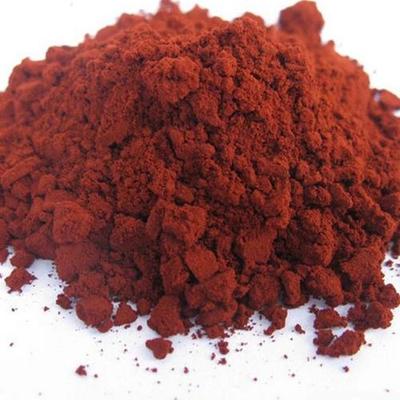
production before it begins. This improves dullness and yellowish tones at the root, resulting in more lasting whiteg effects.
Superior penetration and absorption capabilities represent another major trump card for Astaxanthin's whitening efficacy. The effectiveness of whitening ingredients hinges on their ability to penetrate the barrier and reach the dermis. As a lipophilic ingredient with an extremely small molecular structure, Astaxanthin can penetrate both the skin cell membrane and the blood-brarrier. When taken orally, it reaches the interior of skin cells via the bloodstream; when applied topically, it penetrates to the dermis, exerting melanin-inhibitin brightening effects from the skin's base. However, traditional ingredients like Vitamin C have limited penetration and often remain on the skin's surface, where they can irritate thskin. Niacinamide, though small in molecular weight, requires tolerance building and acts only on the epidermis, offering limited effects on deep-seated dullness and spots. Lycopene, with its large molecular weight and extremely low absorption rate, struggles to deliver whitening benefits through dietary supplementation alone.
Its comprehensive efficacy stands out, achieving a dual improvement in "whitening skin nourishment," which is the core adhat distinguishes Astaxanthin from single-function whitening ingredients. Most whitening ingredients have limited functions: Vitamin C focuses solely on antioxidation and pigment reduction; Niacinamiarily blocks melanin transfer; and Lycopene merely aids in sun protection. In contrast, while whitening, Astaxanthin also addresses anti-aging, eye cainflammatory stabilization: it promotes collagen synthesis, fades dry lines and fine wrinkles, and delays skin aging; it penetrates the blood-retinal barrier to relieve eye fatigue dryness, and improve dark circles; it also helps alleviate redness and sensitivity, repairing the skin barrier. It is especially suitable for sensitive skin and those with yellow undertones, achg "whitening while nourishing the skin," offering a far better cost-performance ratio than single-function whitening ingredients.
Higher safety and broader applicability are also key advantages of Traditional whitening ingredients often have usage limitations: high-concentration topical Vitamin C is highly irritating, easily causing redness and peeling; Niacinamide can trigger intoleranceading to redness and itching, and long-term use may damage the skin barrier; some synthetic whitening ingredients also pose potential safety risks. Astaxanthin, however, naturally exin foods like Haematococcus pluvialis and salmon, classifying it as a food-grade ingredient. It has extremely low topical irritation, making it safe for sensitive skin; highly safe when taken orally, being hormone-free and side-effect-free, with no burden from long-term use. It is suitable for various groups, including those with yellow underton, night owls, and sensitive skin, eliminating concerns about "whitening harming the skin."
In summary, compared to traditional whitening ingredients like Vitamin C, Niacine, and Lycopene, Astaxanthin is the preferred choice for internal whitening due to its stronger antioxidant power, superior penetration and absorption, more comprehensive efficacy, and highefety. It not only addresses whitening pain points like dullness and yellowish tone at the root but also takes care of skin health, truly achieving a radiant, whitening effect from th inside out. It is particularly suitable for those seeking gentle and long-lasting whitening results.
